Through World-first Climate-responsive Technology
by: Shaizatul Faisha binti Saari, MPM Alumni 2025, Widad Education Sdn Bhd
Harnessing AI for Safer Workplaces in Malaysia’s Oil and Gas Industry
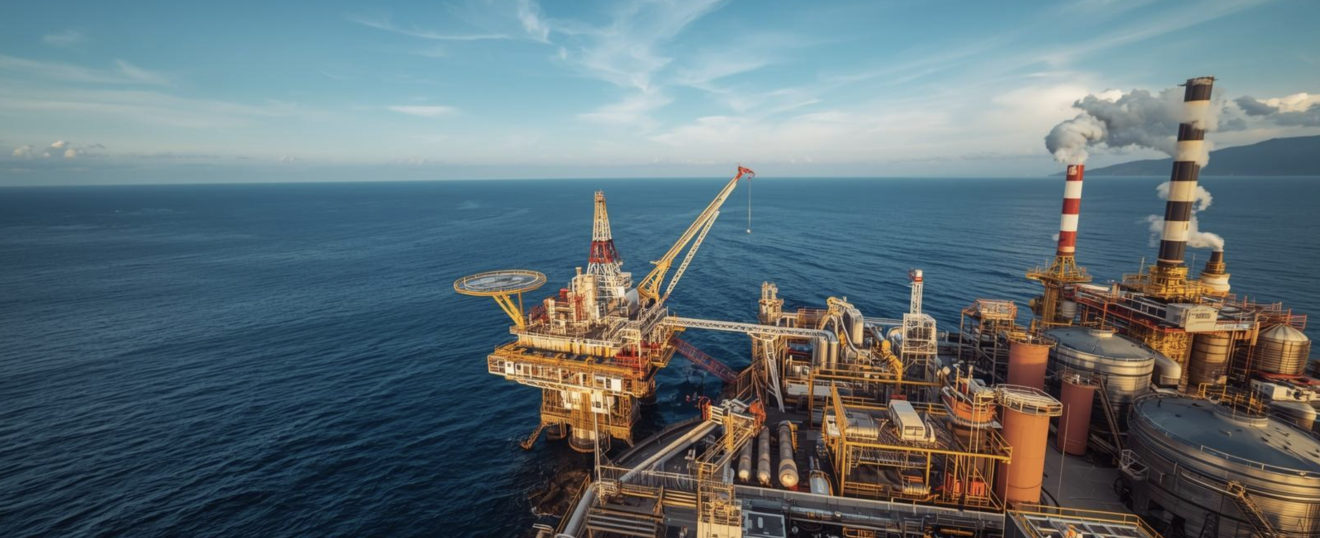
The oil and gas sector has always been recognized as one of the most high-risk industries, where safety is not just a priority but a necessity. With operations often taking place in complex, high-pressure, and sometimes hazardous environments, ensuring the well-being of workers remains a constant challenge.
In recent years, Artificial Intelligence (AI) has emerged as a transformative force, offering new opportunities to enhance occupational safety and redefine how risks are managed in the industry. One of the most promising applications of AI lies in predicting and preventing accidents before they happen. By analyzing large volumes of data from sensors, equipment logs, and historical records, AI systems can detect subtle patterns that may indicate potential hazards. For instance, predictive maintenance powered by AI can identify when a critical machine is likely to fail. Instead of waiting for a malfunction that could cause accidents or costly downtime, companies can proactively repair or replace parts. This approach not only saves time and resources but also prevents accidents that could endanger lives. Beyond prediction, AI is revolutionizing the way hazardous tasks are carried out. Automation through drones and robotic systems has become increasingly valuable in the oil and gas sector.

These tools can perform inspections in confined spaces, underwater facilities, or highaltitude structures—environments that traditionally put workers at significant risk. By delegating these dangerous tasks to machines, human exposure to unsafe conditions is dramatically reduced, allowing workers to focus on safer, higher-value responsibilities. Another area where AI demonstrates its strength is in emergency response management. In the event of a gas leak, fire, or other critical incident, time is of the essence. AI can analyze incoming data streams from sensors, cameras, and monitoring devices in real-time to provide emergency teams with immediate, actionable insights. This allows responders to make informed decisions quickly, reducing potential harm to workers and minimizing environmental impact. Ultimately, faster and more accurate responses can mean the difference between containment and catastrophe. Despite these benefits, the integration of AI into occupational safety does not come without challenges. Building trust in AI systems is crucial, as employees may initially be sceptical about relying on machines to make safety-related decisions. Concerns about job displacement also arise, as automation may take over some traditional roles.
Additionally, the industry must address the learning curve associated with new technologies, as many workers are not yet familiar with how AI operates. Overcoming these hurdles will require robust training programs, clear communication strategies, and the development of AI solutions tailored to the unique needs of Malaysia’s oil and gas sector. Ethical considerations further highlight the importance of responsible AI adoption. Issues such as data privacy, cybersecurity, and algorithmic bias need to be managed through strong regulatory frameworks and continuous oversight.

Ensuring transparency in how AI systems are designed and deployed will not only protect workers but also reinforce public trust in the industry. Looking ahead, the integration of AI in occupational safety offers an opportunity for Malaysia’s oil and gas industry to set new benchmarks for workplace safety and sustainability. By embracing technology responsibly, the sector can create a working environment that is not only safer and more efficient but also ethically grounded. This transformation benefits not only the industry but also the surrounding communities, contributing to a safer and more sustainable future for all.


